In 2026, the nation will commemorate the 250th anniversary of the United States. We asked some of our speakers to reflect on what the anniversary means to them.
Dylan Thuras, the Co-Founder of AtlasObscura.com, celebrates the curiosity and independent spirit that define America; History professor Kathleen DuVal pays attention to lost perspectives and stories; Oscar-nominated filmmaker Julian Brave NoiseCat understands America through the Indigenous experience; bestselling historian Ronald C. White looks at the vision and principles of Abraham Lincoln; historian Matthew Delmont sees the Declaration of Indepence as a document about the future; bestselling historian Candice Millard reflects on James Garfield’s call for intelligence, bravery, and purity in government; anthropologist Jason de Léon looks at how immigration has shaped the country; and political scientist Hahrie Han reflects on democracy’s promise.

“I’ve traveled far and wide in the United States. I’ve picked New Mexico Hatch chili peppers at dawn and rolled logs in the Lumberjack World Championships in Wisconsin. Spend some time out there and you come to realize America is a deeply strange place. I believe that this strangeness is at the very core of who we are. The American ‘experiment,’ as George Washington called it, is ongoing. We are an experimental people—eager for the new, the unknown, the untested. We try, we fail, we reimagine ourselves again and again. America is a country of deep pluralism, each region and individual fiercely independent and proudly idiosyncratic. As we head into our 250th anniversary, we must hold this independent, experimental spirit close. The power to declare our own vision—and to push radically against the powers that try to tell us what it means to be American. Because the experiment’s not done. In fact, it has just begun.”
New York Times-bestselling author Dylan Thuras is known for his creative and welcoming approach to exploration. Ahead of the 2026 publication of America Obscura, Dylan has developed a special topic: Hidden America: Rediscovering Wonder for the Nation’s 250th Anniversary.
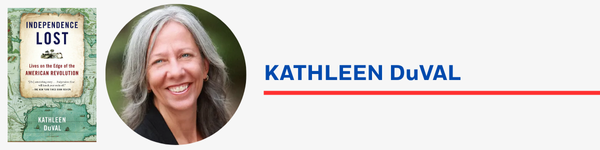
“During the Bicentennial in 1976, my family and I piled into our Chevy Impala and drove across the country to Williamsburg and Philadelphia to celebrate the Revolution. What I didn’t realize—and what most historians didn’t emphasize at the time—was that Virginia, Pennsylvania, and the other original thirteen colonies were not the only parts of the United States where the Revolution happened. In the decades since 1976, historians have paid more and more attention to the many places and perspectives that were part of the Revolution. In my 2015 book Independence Lost, I revealed the battles that took place on the Gulf Coast, a front of the Revolution that had been largely forgotten by 1976 and yet was tremendously important to the outcome of the war. From people in the streets to men in the Continental Congress, from Yorktown to less remembered battles in places like Pensacola and St. Eustatius, from wives running farms and businesses while their husbands were away to common soldiers and their fight for liberty, from Native American diplomats to men, women, and children seeking freedom from slavery, historians are beginning to reveal a fuller and more accurate picture of the world that birthed the United States.”
PRHSB speaker Kathleen DuVal is a Pulitzer Prize-winning historian and professor of history at the University of North Carolina at Chapel Hill. An expert in early American and Native American history, DuVal is the author of Independence Lost and the Pulitzer Prize-winning Native Nations.
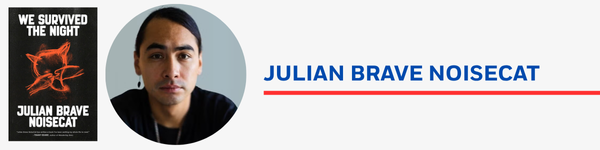
“Two hundred fifty years ago, the Declaration of Independence referred to the First Peoples of this land as ‘merciless Indian savages.’ To this day, American history is still written over and against us. Like this story isn’t ours too. Nothing could be further from the truth. Our people have been bringing life and narrative to this continent since the beginning. A quarter millennium into the American experiment, it’s impossible to understand this nation without us, our lands, our perspectives, and our voices.”
PRHSB speaker Julian Brave NoiseCat is a writer, journalist, Oscar-nominated filmmaker, and student of Salish art and history. His first documentary Sugarcane (2024) premiered at the Sundance Film Festival and was nominated for the Academy Award for Best Documentary. His powerful book, We Survived the Night, is a stunning blend of memoir, history, mythology and reportage as well as a deeply personal journey into NoiseCat’s own identity.
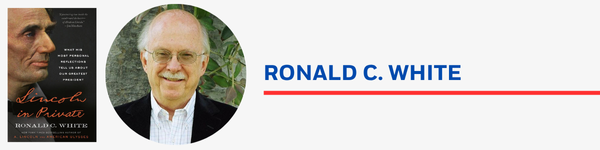
“’Come back to the truths that are in the Declaration of Independence.’ So spoke Abraham Lincoln as he watched divisions tearing apart the United States on the eve of the Civil War. He believed the answer to the unity of the nation lay not in leaders, too often self-centered, but in principles. ‘Think nothing of me – take no thought for the political fate of any man whomsoever.’ In 2026, rather than simply remembering the Declaration as a historical document, I wish to speak about it as Lincoln understood it: a living and reforming instrument for our time.”
PRHSB speaker Ronald C. White is one of today’s most astute biographers of Abraham Lincoln. He has written three award-winning and bestselling books on the 16th U.S. president, offering new insights into this fascinating historical figure.
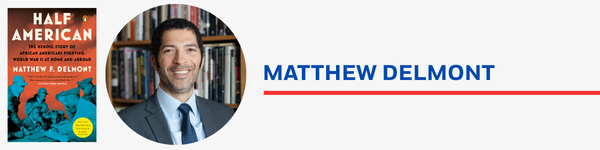
“When I first read the Declaration of Independence in high school, I didn’t get it. What could a document written in 1776 reveal about modern America? Today, after researching and teaching American history for more than two decades, I’ve come to realize that the Declaration of Independence has always been about the future, not the past. It was the product of imperfect people trying their best to chart a course through daunting and unpredictable circumstances. It was an expression of the promise and potential of our nation. I am embracing this spirit of promise and potential on the USA’s 250th anniversary.”
PRHSB speaker Dr. Matthew Delmont is a Guggenheim Fellow and Sherman Fairchild Distinguished Professor of History at Dartmouth College and an expert on American history, Black American history, and the civil rights movement. In his book, Half American, Dr. Delmont analyzes the history of Black Americans who fought bravely abroad in a segregated military during World War II, and returned home to battle white supremacy in America.

“On July 4, 1876, the centennial of the Declaration of Independence, Congressman James Garfield reminded the American people that they alone were responsible for their government’s character. ‘If that body be ignorant, reckless, and corrupt, it is because the people tolerate ignorance, recklessness, and corruption,’ he said. ‘If it be intelligent, brave, and pure, it is because the people demand these qualities to represent them.’ One hundred and fifty years later, Garfield’s words still ring true, an exhortation from the past to accept nothing less than intelligence, bravery, and purity in a government that remains a reflection of us all.”
PRHSB speaker Candice Millard is a bestselling historian whose epic and meticulously researched books unearth some of U.S. history’s greatest moments and figures. A former editor and contributing writer at National Geographic magazine, Millard digs deep into her stories and shares riveting anecdotes with the audiences of her lectures.
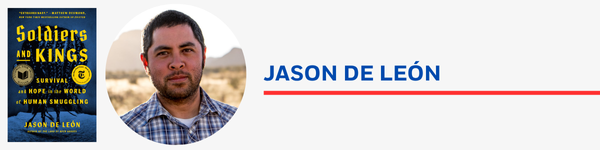
“The anniversary of the Declaration of Independence is a good time to reflect on both the idealized principles of the document and the political, racial, and patriarchal realities upon which this country was founded and that continue to shape our experiences as a nation.”
PRHSB speaker Jason De León, anthropologist and MacArthur Fellow, explores undocumented migration and the humanitarian crisis at the U.S.–Mexico border. Through exhibitions, research, and his book Soldiers and Kings, he exposes the human impact of immigration policies, challenges media narratives, and honors the lives and stories of those lost seeking a better future.

“For 250 years, Americans have been grappling with the question at the heart of any democracy: how do we forge a common life? How do we learn to live together without forcing ourselves to think alike? In this moment, I am reminded that democracy’s promise—and resilience—depends not just on the strength of our institutions and laws, but also the strength of our commitments to each other.”
PRHSB speaker Hahrie Han is a political scientist, MacArthur Fellow, and author of Undivided. She directs the SNF Agora Institute at Johns Hopkins University, advancing democracy through research on social movements and civic engagement.